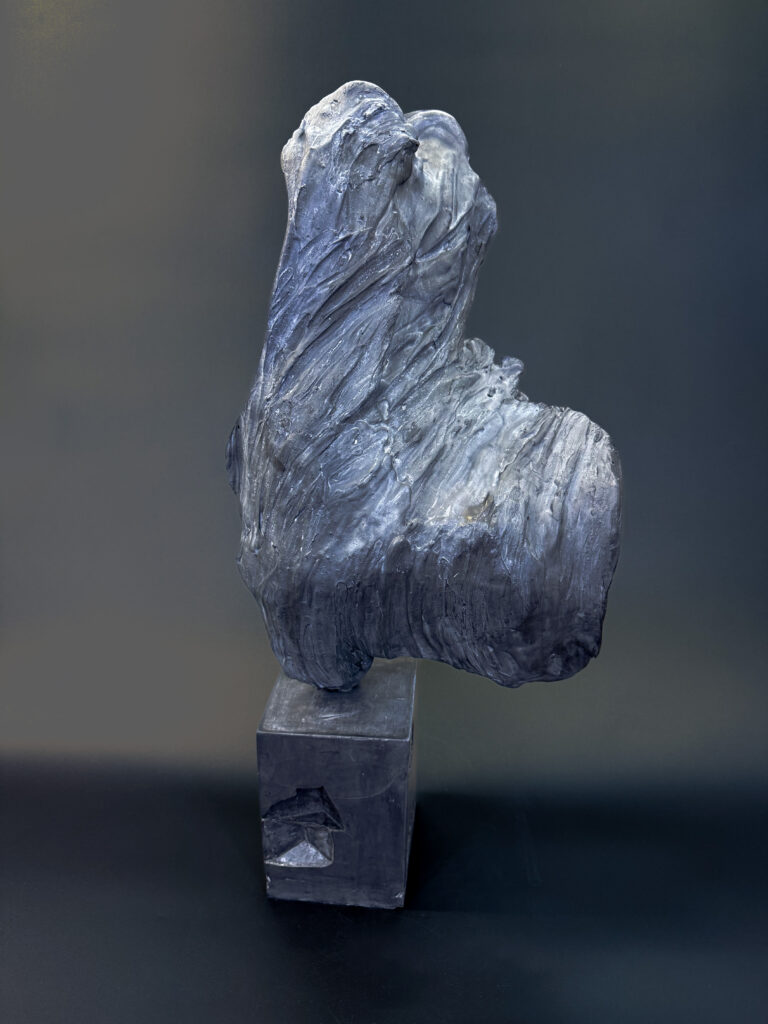
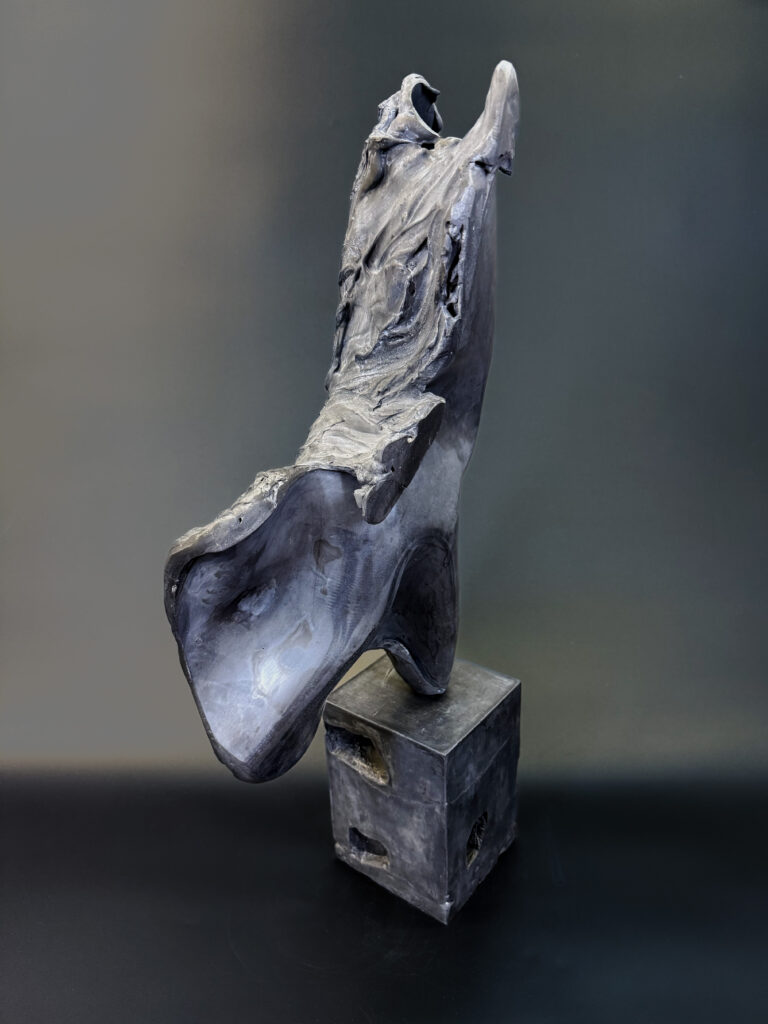
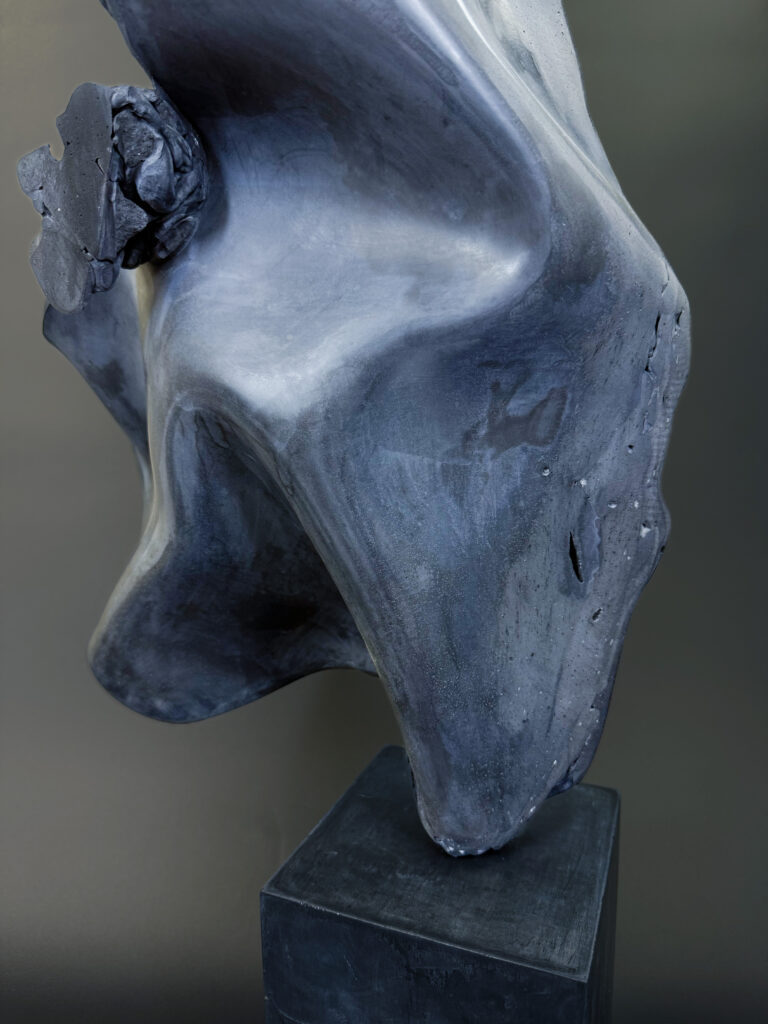
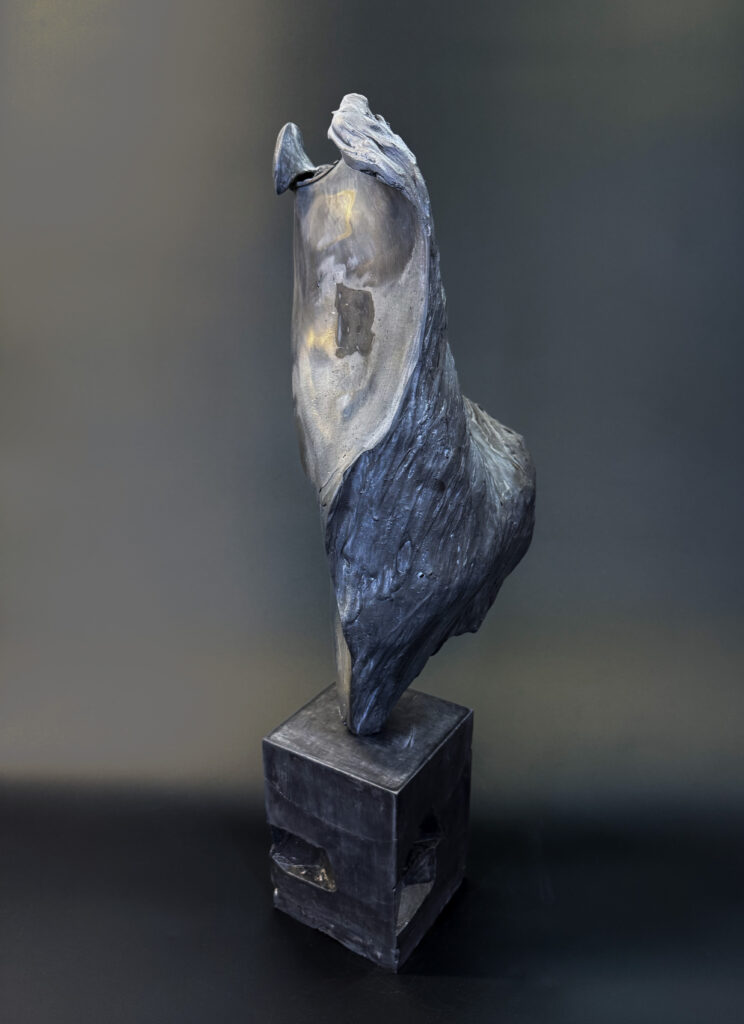
RECTO UNI VERSO, Zuzanna Grochowska, Concept_11, Warsaw 2026
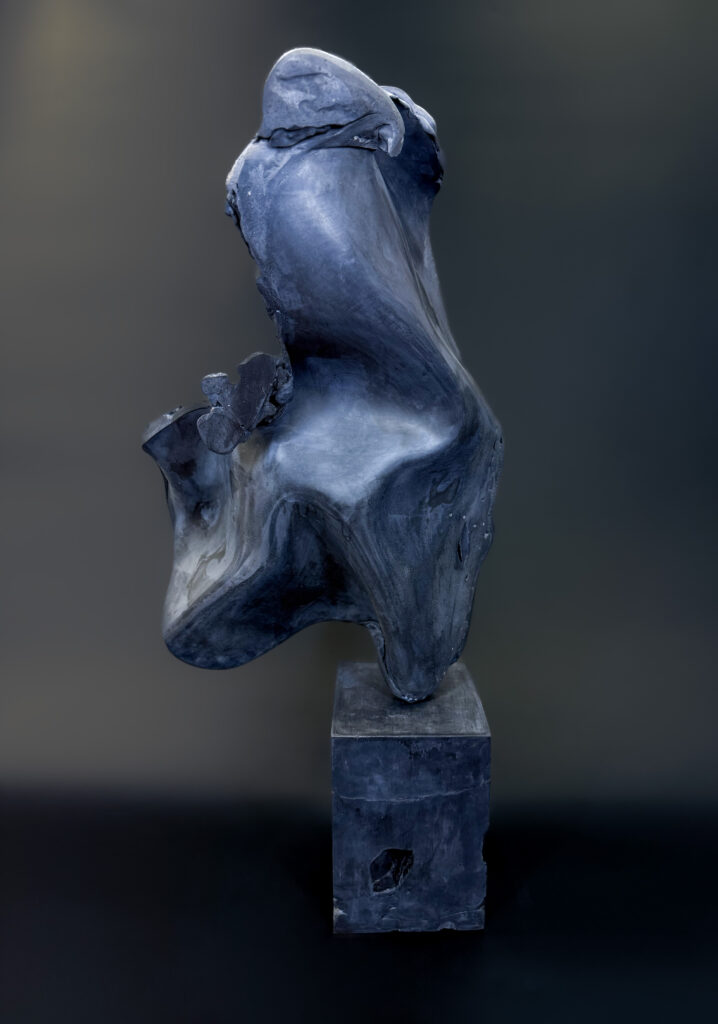
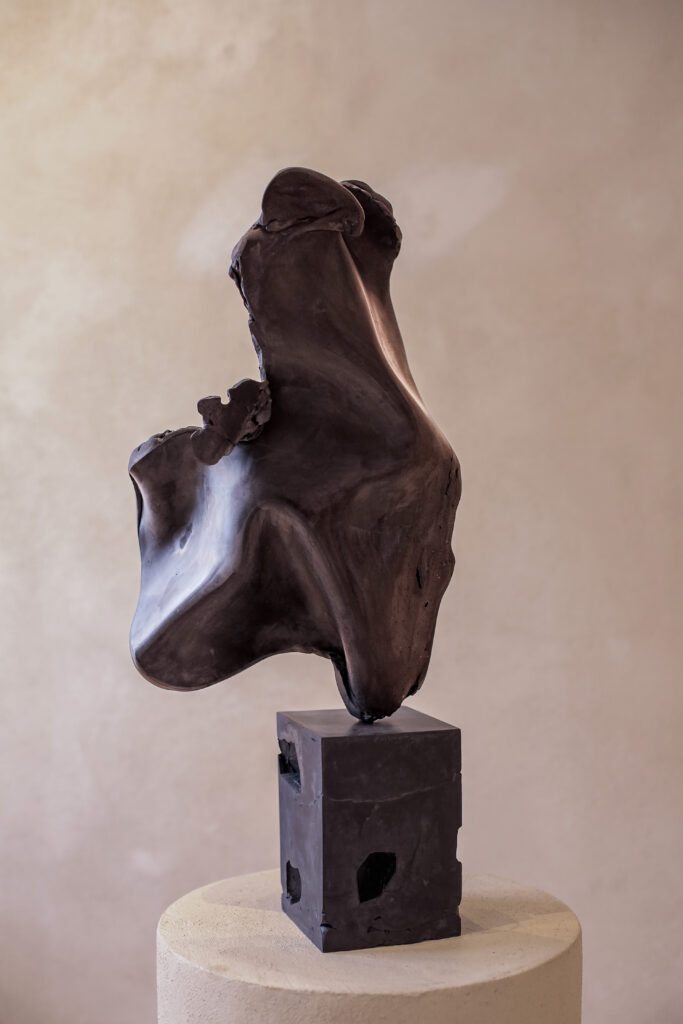
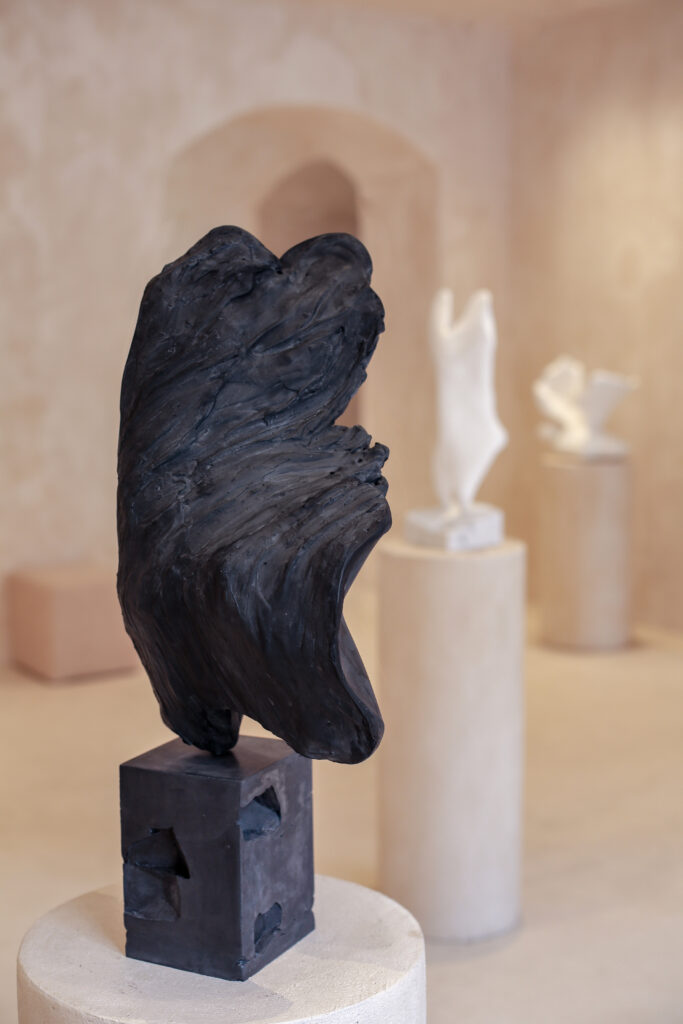
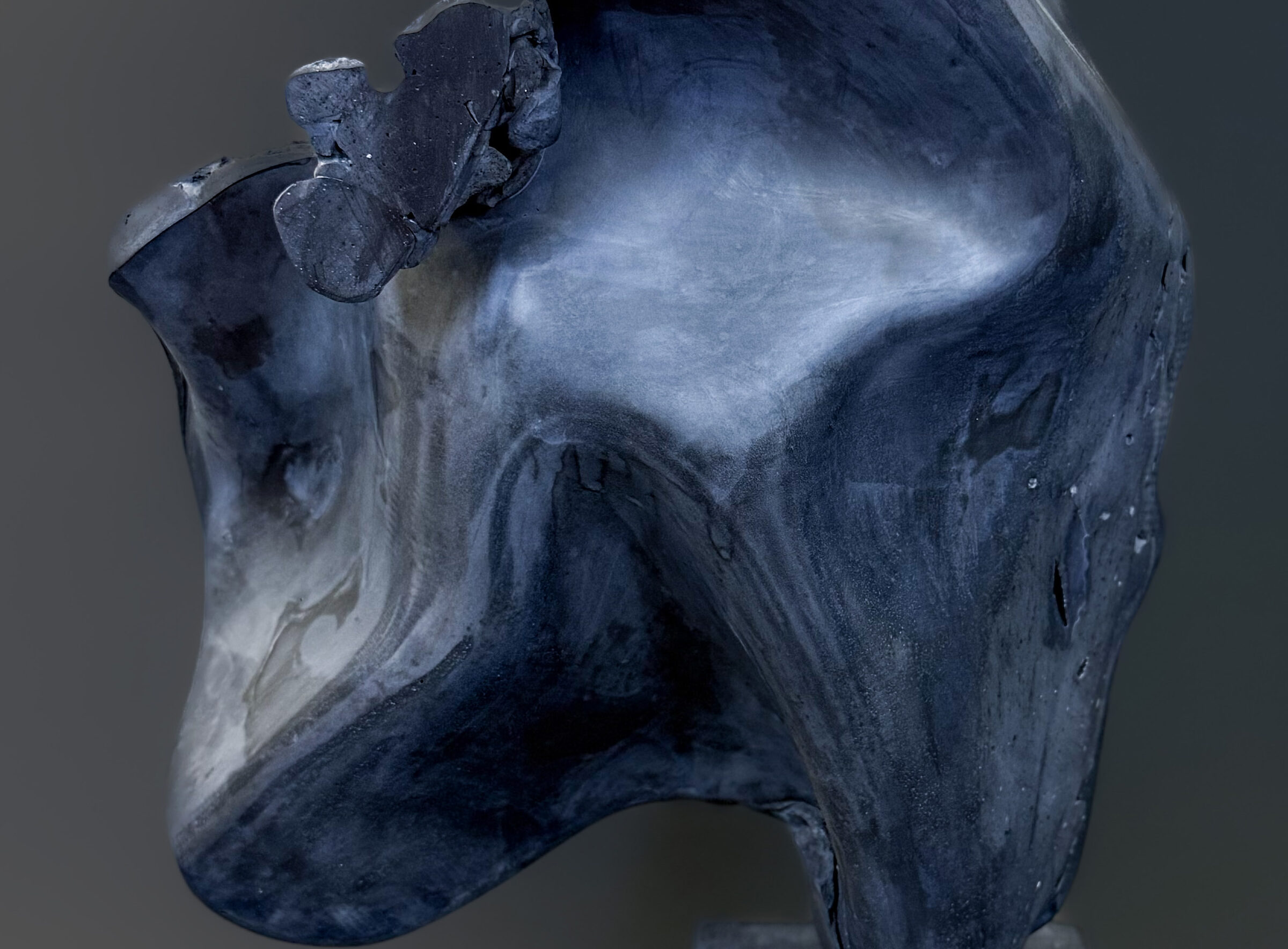
The second part of the diptych develops the state of suspension toward its inevitable fracture. Whereas Preludium establishes a moment of silence before the event, this sculpture reveals the very instant of transition — when atmosphere ceases to be a mere prelude and becomes an action. The work refers to the experience of Greenland not as a landscape, but as a system of forces in which visibility is always partial and orientation momentary. It is a space where weather does not describe conditions but produces them, abruptly and irreversibly altering the relationship between body and environment. In this sense, the sculpture does not depict a “storm” but its internal logic: the moment in which stability ceases to apply and the world begins to shift beyond its former meanings. The reference to Shakespeare’s The Tempest does not function as narrative, but as structure — a collapse of order in which something other than language loses its previous certainty. The sculpture operates as a critical moment: neither beginning nor end, but a point at which suspension loses its neutrality and becomes movement.